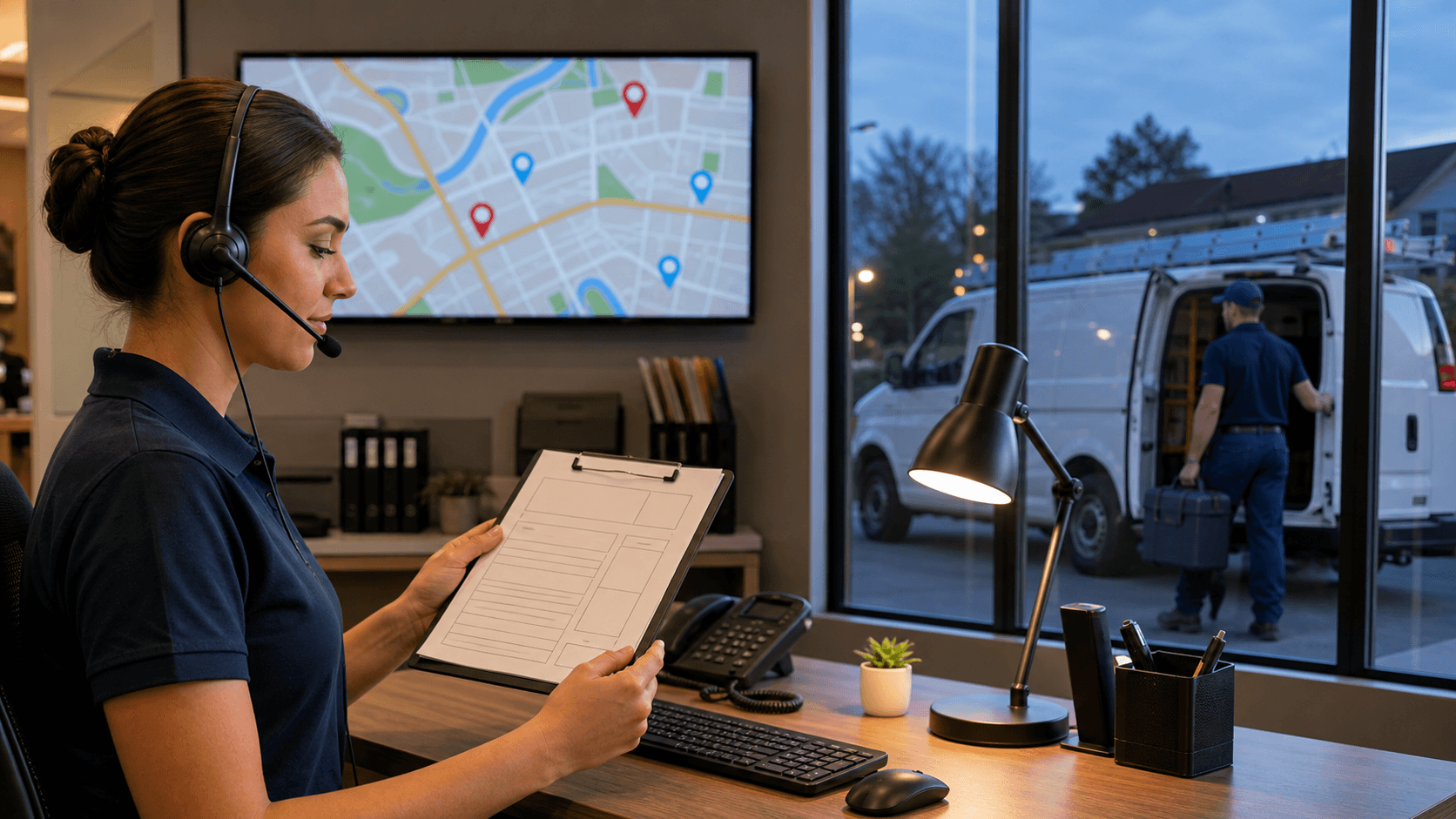
An HVAC answering service helps you protect the calls your front desk cannot always catch. When staff are checking in customers, coordinating service calls, taking lunch, or handling a busy morning, the phone can ring at the worst possible time.
We believe a caring front desk should stay focused on the people standing in front of them. Reliable call coverage simply gives every caller a prompt next step, whether that means booking a visit, leaving a complete message, getting approved business details, or being routed correctly.
Keep New Customer Calls From Becoming Missed Revenue
A new customer can choose another company long before their first service call. If they reach voicemail, wait through a lunch break, or do not hear back after hours, they may keep searching. This is especially true when someone found you through Google Maps, a referral, or a paid local ad and is ready to book.
Missed calls are not only an admin problem. For your business, they can mean a missed appointment, a lost referral source, and a customer relationship that never gets started. We often see marketing create more phone activity than a small front desk can comfortably handle.
Late October through the end of the year can make this even more noticeable. Some callers may be trying to schedule seasonal maintenance, repair a heating issue, or prepare their home for holiday guests. Colder weather, holiday travel, and shifting schedules can also bring more urgent calls, including calls that come in after your office closes.
A good answering process does not replace the human side of your business. It helps make sure callers are not left wondering what to do next.
When an HVAC Answering Service Becomes Necessary
Call volume matters, but timing matters just as much. A business may not get a huge number of calls every day, yet still lose good opportunities if most calls come during service dispatches, check-ins, lunch, meetings, or the first and last hours of the day.
We recommend reviewing your recent phone activity for warning signs like these:
- New-customer voicemails that sit too long before someone responds
- Calls that drop during busy dispatch or scheduling periods
- Customers saying they called earlier but never heard back
- Online leads that receive no quick reply
- Unanswered after-hours calls from people seeking near-term service
Speed matters because many HVAC callers are looking for help when heating or cooling problems are disrupting work, sleep, comfort, or normal routines. If another nearby company answers first and offers a convenient opening, your business may lose the chance to connect, even if you have stronger reviews or a better location.
Single-owner businesses often feel this strain first, since one person may be handling dispatch, billing, scheduling, and customer support. Growing companies, multi-location offices, and businesses running local SEO or PPC campaigns can face the same issue. More marketing only helps when your team has a dependable way to capture the calls it creates.
What an HVAC Answering Service Should Handle
An HVAC answering service should sound like a natural extension of your business, not a generic phone line. That takes clear instructions about your locations, hours, services, new-customer process, scheduling rules, and the information your team is comfortable sharing.
Call handling should separate routine questions from requests that need staff attention. We suggest building clear paths for the most common reasons people call:
- New-customer questions and appointment requests
- Existing-customer rescheduling or follow-up needs
- Referral and service-history-related calls
- Billing or financing questions that need office review
- Vendor calls and other non-customer inquiries
The goal is to collect useful details the first time. A complete message should include the caller's name, contact information, reason for calling, preferred time, and any details your team needs before returning the call. That saves your front desk from chasing missing information later.
Safety rules matter, too. Your business should provide scripts for gas leaks, electrical hazards, no-heat emergencies, pricing disputes, and anything requiring technician judgment. Call handling should never provide technical advice that could create a safety risk. Before choosing a provider, we also recommend confirming that its privacy safeguards and data security support fit your business's needs.
Turn Every Call Into a Confirmed Appointment
Answering the phone is the beginning, not the finish line. A strong process guides interested callers toward one clear next step: booking a service appointment, setting a follow-up visit, requesting a callback, or using an approved online booking option.
Scripts make those conversations smoother. Callers may ask about availability, what to expect during a first service appointment, payment options, financing availability, office hours, service areas, or whether you handle a certain concern. Your approved responses should be warm, simple, and accurate, while technical questions stay with qualified members of your team.
Follow-up needs a standard as well. If someone cannot book right away, decide who owns that lead, what details they receive, and how quickly they respond. A same-day follow-up process can help keep an interested caller from going cold, especially when the original call came in after hours.
Managed AI call handling can fit into a larger lead system rather than standing alone. When your website, local rankings, PPC campaigns, estimate workflows, and review management all bring in attention, consistent phone coverage helps turn that attention into real conversations.
Build a Front Desk That Is Always Ready to Book
Your business does not have to choose between great in-person service and prompt phone coverage. With a clear answering process, your staff can stay present with customers while callers receive a professional, helpful response.
Start by reviewing missed-call reports, voicemail volume, after-hours inquiries, and lead response times. Then map your most common call reasons, set booking and escalation rules, and make sure every marketing channel leads to a phone experience that is fast, accurate, and consistent.
Turn More Calls Into Scheduled Appointments
Our chiropractic answering service helps your office respond promptly, book qualified patients, and route urgent concerns according to your rules. Jenny AI can help you create a dependable call-handling system that supports your front desk without adding unnecessary workload. If you are ready to improve how every caller is handled, contact us to discuss your office's needs.