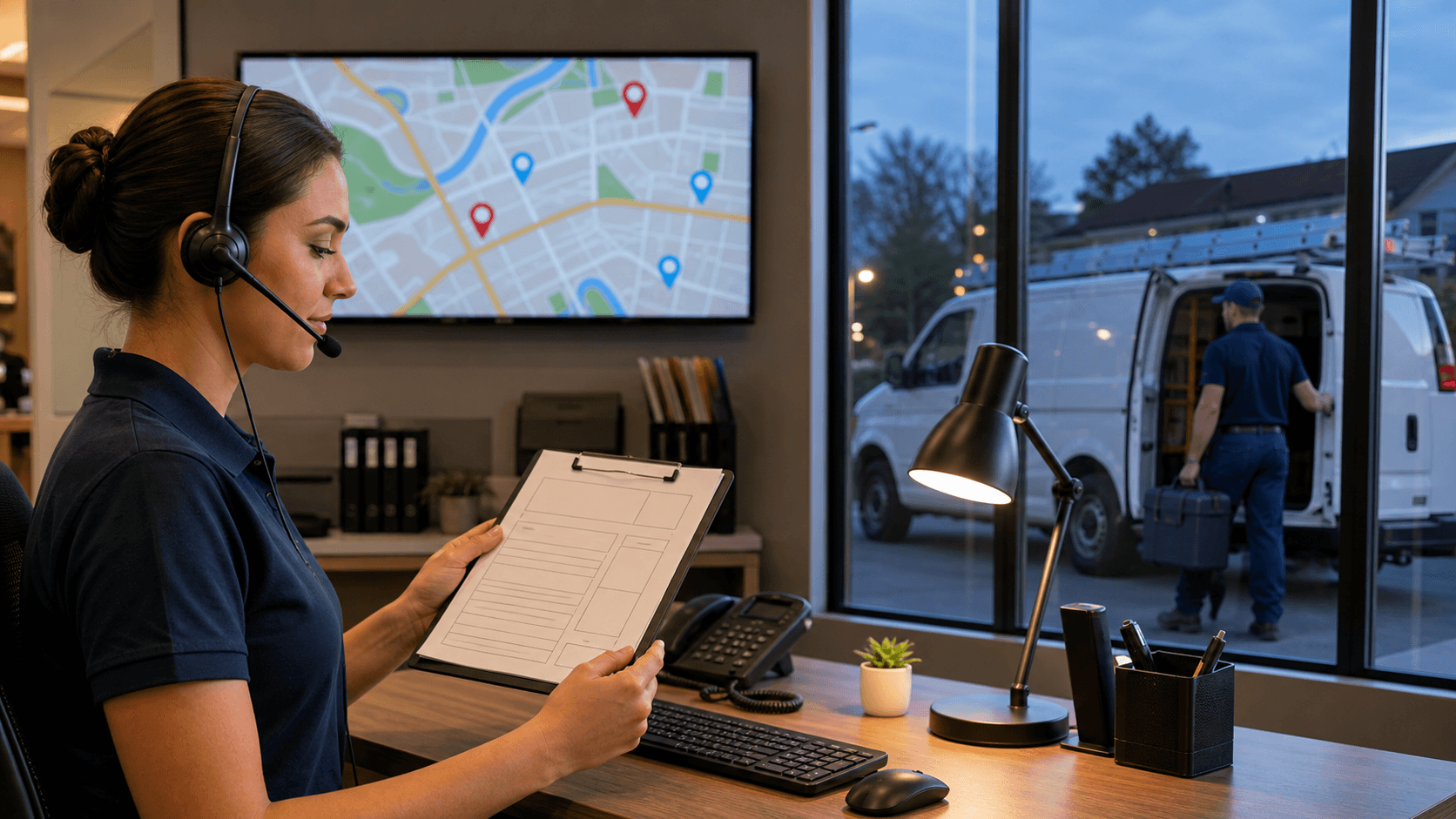
After-hours plumbing calls can turn into some of your best jobs, or disappear to the next company in a Google search. When water is leaking at midnight or a sewer line backs up during a holiday weekend, people want a calm human response and a clear plan.
We recommend treating every late-night call as more than a message to return tomorrow. With the right plumber answering service process, you can capture the lead, understand the problem, protect the caller, and send the right job toward dispatch or a next-day booking.
Turn Midnight Plumbing Calls Into Booked Jobs
A caller with a burst pipe, active flooding, no hot water, or a sewage backup is rarely shopping casually. They have a problem happening right now, and they need to know whether someone can help. If your line goes unanswered or the voicemail feels cold and generic, that customer may keep dialing.
Missed calls can cost more than one emergency repair. When we help a service business respond well in a stressful moment, that first job can lead to future drain cleaning, water heater work, repiping, maintenance, and referrals. People remember the company that answered when their home was in trouble.
Your after-hours process should make callers feel heard without making promises your team cannot keep. A good experience sounds organized, local, and prepared. It should answer four questions quickly: What is happening? Is anyone in danger? Can a technician be dispatched? What happens next?
Phone coverage is only one part of the system. Our websites, local SEO, Google Maps visibility, PPC campaigns, estimates, and review management help create demand. Reliable call handling helps make sure that demand does not disappear after your office closes.
Set up a Plumber Answering Service for Urgent Calls
Before calls are routed, we recommend writing down the rules your answering team needs to follow. They should know your service area, normal business hours, emergency availability, on-call rotation, and the types of jobs you accept after hours. Clear instructions prevent a caller from being promised service outside your coverage area or for work your team cannot handle that night.
A simple classification system keeps the conversation moving. Rather than asking every caller the same generic questions, your team can identify the issue and follow the right next step.
- Active flooding or a burst pipe, assess immediate safety and send the job through the emergency dispatch process.
- Sewage backups or serious drain backups, gather location and severity details for the on-call technician.
- Gas-related concerns, tell the caller to contact emergency services or the utility provider when appropriate.
- Water heater leaks, no water, or no heat from a boiler, determine whether immediate service is needed or morning service is suitable.
- Routine clogs, fixture repairs, and other non-urgent requests, offer the next available booking path.
We also suggest creating an emergency-call playbook that both office staff and technicians can understand at a glance. Include the on-call technician and backup contact, expected callback windows, homeowner safety language, and emergency-service terms that should be disclosed before work is approved. This gives callers a consistent experience, even when the person answering changes.
Capture the Details Dispatchers Need
Good dispatch starts with accurate contact information. A rushed caller may give a partial address, an old phone number, or a name that does not match the property owner. Your answering process should confirm the details before ending the conversation, especially when the technician may need to find the property in the dark.
Each record should capture:
- Caller name, callback number, service address, and email when available
- Preferred contact method, such as phone call or text
- Whether the caller is the homeowner, tenant, landlord, property manager, or business owner
- The plumbing problem, when it began, and where it is happening
- Whether water is still running, there is visible damage, or the main shutoff can be accessed
Context matters just as much as contact details. We recommend noting whether the customer needs help immediately, can wait until morning, has already contacted another company, has a home warranty, or wants an estimate before approving work. That information helps your team rank urgent, high-intent leads and lets the technician arrive with a better sense of the likely job.
The call record can also note whether the customer has already taken safe steps to limit damage. This is not about asking them to fix the issue themselves. It is about helping your team understand the situation before a professional arrives.
Protect Callers During Fall Freeze and Holiday Risks
October is a smart time to test after-hours coverage. As temperatures begin to fall, we often see more concerns around frozen pipes, outdoor faucets, water heaters, sump pumps, and leaks that show up when a home is full of holiday guests. The first cold snap should not be the moment your team discovers that an emergency message is unclear or an on-call number is outdated.
An answering service can offer calm, safe guidance without trying to diagnose the plumbing issue. If water is actively leaking, callers may be told to locate the main water shutoff if it is safe to do so. They can move valuables away from the affected area, avoid standing water near electrical hazards, and stop using a damaged fixture until a plumbing professional can assess it.
Clear expectations build trust during a stressful call. Your caller should know whether a technician is being dispatched, when they can expect a callback, what information to have ready, and whether the request is being treated as an emergency. Straight answers reduce confusion, help your team avoid preventable cancellations, and set a better tone before the technician arrives.
Use Your Plumber Answering Service to Measure Results
After-hours coverage works best when you review what happens after the phone rings. We recommend tracking the full path from incoming call to booked work, not just the number of messages your team receives.
Useful numbers to watch include total after-hours calls, answered-call rate, abandoned-call rate, emergency dispatches, next-day bookings, response time, estimate-to-job conversion, and revenue tied to after-hours leads. These records show whether callers are getting help quickly and whether your staffing rules match the demand coming in.
Call data can also guide marketing decisions. If calls rise after a PPC campaign, stronger Google Maps visibility, or a seasonal promotion, you can connect that activity to actual booked jobs. Reviewing the types of calls you receive may show that water heaters, drain backups, or frozen pipes deserve more focused service pages, Google Business Profile updates, ads, or faster estimate follow-up.
Monthly missed-call reviews are worth the time. A pattern of abandoned calls at the same hour, repeated confusion about service areas, or slow callbacks can reveal a gap that is quietly costing your business work.
Build a 24/7 Lead System Before Winter Demand Peaks
After-hours calls are not interruptions when your process is ready. They are chances to begin a customer relationship when the caller needs help most. Accurate lead capture, fast dispatch decisions, clear follow-up, and local marketing all work better when they are connected instead of handled as separate tasks.
Test your current experience before winter demand arrives. Call your own business line after hours, listen to the voicemail, review missed-call logs, and confirm that emergency leads reach the right person. Small gaps in the process can become big problems during a freeze, a holiday weekend, or a busy night, so fixing them early gives your team a steadier way to respond.
Turn More After-Hours Calls Into Booked Jobs
Our plumber answering service helps your team capture the details that matter, route urgent calls correctly, and give customers a clear next step. Jenny AI builds complete systems designed to support your office when the phones keep ringing after hours. Contact us to discuss a setup that fits your plumbing business.