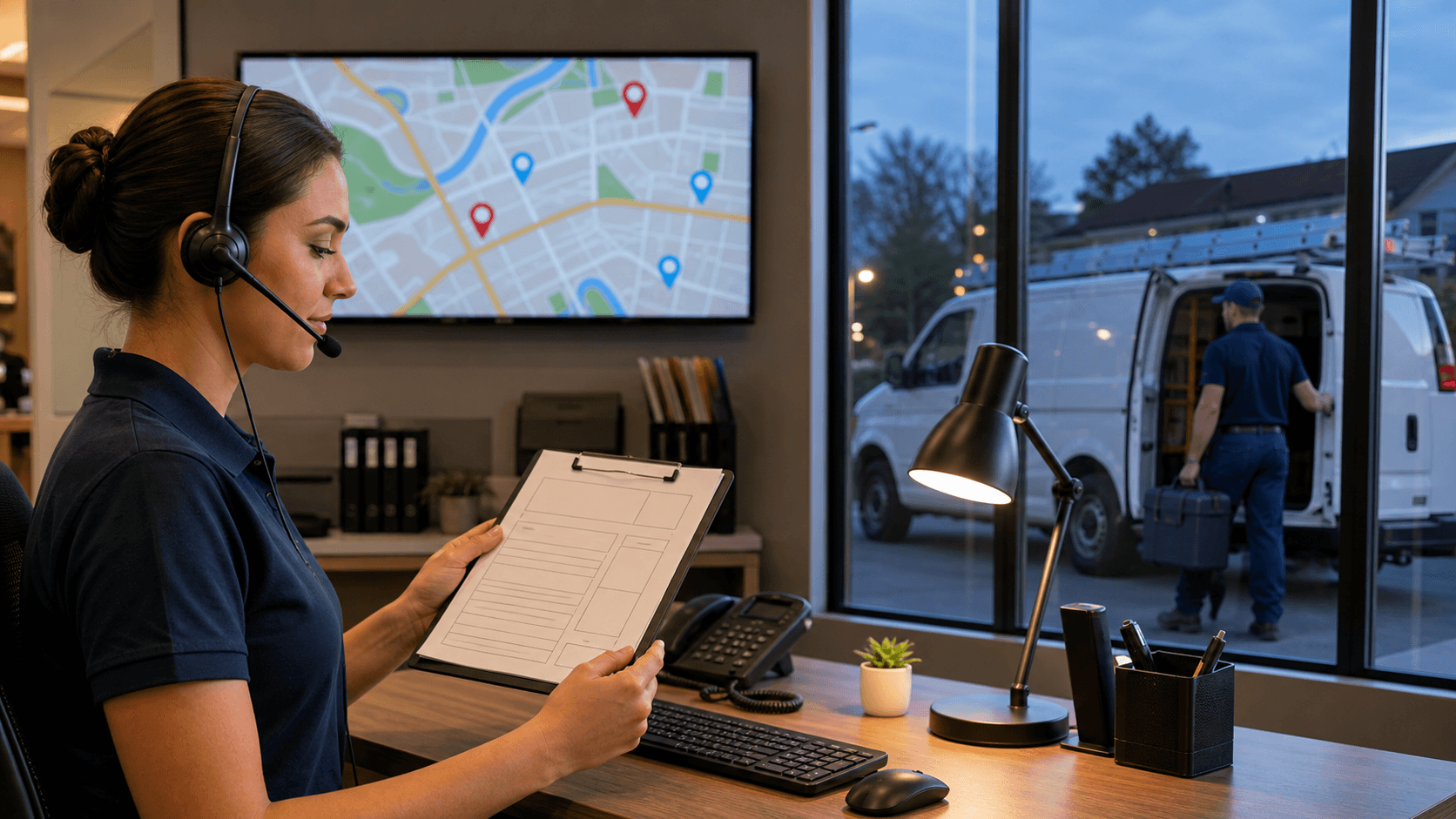
October can fill a pool company's phone line fast. As temperatures fall, homeowners want winterization, pool closings, cover repairs, leak checks, and equipment service handled before cold weather causes bigger worries. When a caller reaches voicemail and does not get a clear next step, that job can cool off just as quickly.
We help home-service owners build systems that turn seasonal calls into organized, bookable work. A thoughtful pool service answering service does more than pick up the phone. It gathers the details your team needs, calms urgent concerns, and guides each caller toward the right appointment or estimate process.
Why Closing Season Calls Become Missed Revenue
Late-season pool calls carry a deadline, even when the caller does not say it directly. Someone may be concerned about an early freeze, leaving town soon, finding a torn cover, or realizing their pool has not been winterized. If they cannot reach a real person or get an answer quickly, they may move on to the next provider in search results.
We often see good leads slip away through small gaps in the daily routine. Technicians are in the field, office staff are helping current customers, and after-hours calls stack up before anyone can respond. Voicemails may be incomplete, while estimate requests can sit too long without a clear follow-up plan.
A strong call-handling process helps you protect the demand you already worked hard to earn. Rather than leaving a generic message for the office, callers can share their address, service need, pool details, and preferred timing right away. Your team gets a clearer view of incoming work, and booking-ready leads can move into the calendar or estimate flow without delay.
Build a Call Flow That Gets the Right Details
Consistency matters when your schedule is packed. Before a technician heads out, we recommend collecting the same core details from every caller:
- Caller name and best phone number
- Service address and pool type
- Requested work, such as closing, cover service, leak concerns, or equipment repair
- Preferred appointment timing
- Whether the pool has already been partly closed
Those questions keep your team from arriving with only half the story. They also help you sort a standard winterization request from a job that may need a closer look before anyone can set expectations.
Not every pool-service call needs the same response. A caller with an active leak, failed equipment, freeze-risk concern, or a same-week closing deadline may need priority routing. Meanwhile, questions about standard closing packages, cover installation, or future maintenance can go into the next available opening. That distinction protects time for urgent work without making routine callers feel ignored.
Tone plays a big role here. Your pool service answering service should sound helpful, knowledgeable, and familiar with how local service businesses operate. We build call flows that can answer approved questions about service areas, basic timing, what to prepare, and what happens after booking. Just as important, the system should avoid making promises about pricing or availability that your team has not approved.
Turn Urgent Questions Into Scheduled Winterization Jobs
Fast answers lower the stress behind a late-season call. Many pool owners are not sure whether they waited too long, whether cold weather creates immediate risk, or whether an equipment issue needs attention before a pool can be closed. Clear information and a defined next step give them a reason to stay with your business instead of continuing their search.
During the closing rush, it helps to create appointment paths that match the work. We suggest setting realistic options such as:
- Priority time windows for urgent equipment, leak, or freeze-related concerns
- Standard booking slots for routine closings
- Waitlist options for callers with flexible schedules
- Estimate follow-up for repairs or custom work needed before closing
The goal is not to promise everyone the same-day slot they want. It is to offer the earliest appropriate option while being honest about what happens next. That kind of clarity feels far better to a caller than a vague promise that someone will get back to them.
Once a visit is booked, confirmations can do much of the prep work for your office. A simple message can request access instructions, gate codes, pet information, cover location, water-level details, and notes about equipment symptoms. With better information before arrival, technicians can spend less time tracking down basics and more time completing jobs.
Connect Calls to Estimates, Reminders, and Follow-Up
A phone call should create an actionable record, not just a handwritten message or a forgotten voicemail. We help connect call details to a workflow that tracks requested service, urgency, notes, appointment status, estimate needs, and the next follow-up date. That gives your whole team a shared view of what needs to happen.
Some callers will be ready for a straightforward closing appointment. Others may need repairs, a custom safety cover, plumbing work, or equipment replacement before winterization can happen. In those cases, quick estimates with a clear scope and simple approval steps can keep the conversation moving while the season is still top of mind.
Follow-up also matters for people who are undecided or missing details. Instead of letting those inquiries disappear, your system can send a timely reminder, request property information, or share a useful seasonal update. We focus on staying responsive and helpful, without crowding homeowners who are still sorting out their options.
Keep Next Season Demand Growing Through Winter
Closing season is also the beginning of your next customer conversation. When you capture accurate service details now, you have a better foundation for spring opening reminders, maintenance plans, equipment recommendations, and future repair follow-up. A smooth experience during a stressful season gives customers a stronger reason to remember you later.
Local visibility should not disappear after the rush ends. We recommend keeping your service pages current, maintaining accurate business information, and answering common local questions through helpful content. SEO, PPC, and a clear website can keep your business visible when a homeowner discovers a winter issue and needs professional help.
Reviews support that long-term trust, too. After a completed job, a consistent review-management process can invite honest feedback from every customer. Recent reviews help future callers feel more confident, while service feedback can point to issues in your process that deserve attention before spring.
Build a System That Books Every Seasonal Opportunity
Pool closing season is too valuable to depend on voicemail and manual callbacks alone. Reliable call handling, clear appointment paths, estimate follow-up, reminders, local visibility, and review requests all work better when they are connected instead of scattered across different tools and inboxes.
Start with a simple audit of your current process. Try calling your business after hours, check how quickly web inquiries receive a reply, review unbooked estimates, and identify where seasonal callers tend to fall through the cracks. Those answers can show you exactly where a better system can protect winterization jobs today and create a healthier spring pipeline tomorrow.
Capture More Closing-Season Bookings
Jenny AI helps pool companies build a pool service answering service that responds promptly, qualifies callers, and keeps booking opportunities moving after hours. Our complete system can help your team spend less time chasing missed calls and more time serving scheduled customers. Contact us to discuss a setup that supports your closing-season workload and the demand ahead.