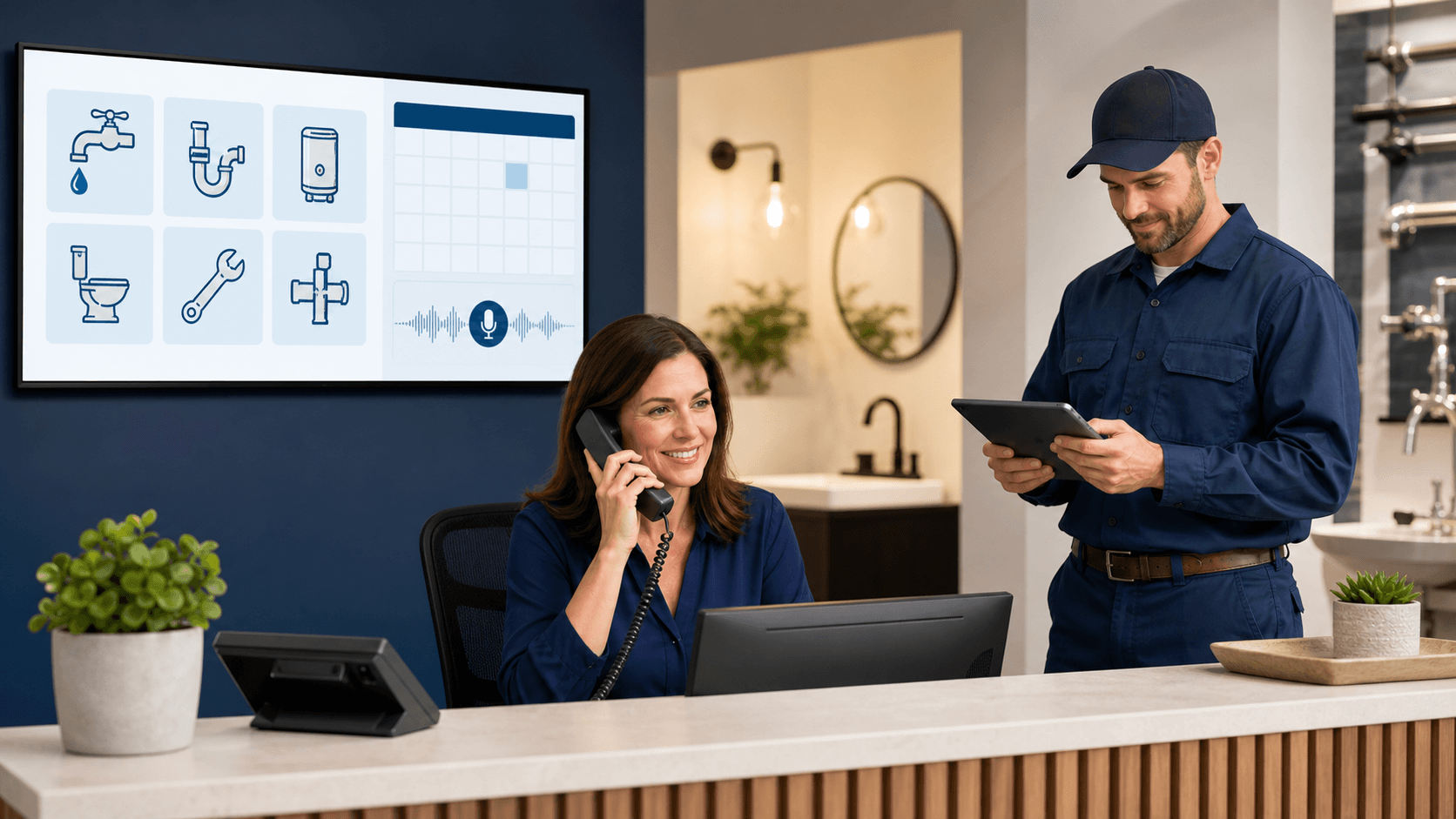
Stop Losing Jobs Before the Dispatcher Calls Back
A missing detail can turn a ready-to-book service call into a lost job. When someone has a furnace failure on a cool September night, a leaking pipe, roof damage after a storm, or a garage door that will not close, they are not calling to leave a vague message. They want to know what happens next.
Many home-service teams see the problem start with an answering service for home services that collects a name, phone number, and a short note like, "Needs plumbing help." That message leaves the dispatcher guessing. Better intake gives your team the facts to prioritize the work, send the right technician, and follow up without making the customer repeat the whole problem.
Where Call Handling Loses Context
Traditional answering services are often built to take messages, not to support dispatch. A generic script may not recognize the difference between "my AC is not cooling," "the main line is backing up," "an outlet is sparking," and "shingles blew off during the storm." By the time the note reaches your team, every problem can look like "customer needs service."
That missing context slows down decisions. It can also lead to wasted drive time, the wrong technician arriving, or a customer calling another company because no one understood the urgency.
Details that commonly disappear during a handoff include:
- The complete service address, including unit number or gate instructions
- The caller's preferred callback method, such as phone call or text
- Equipment type, system age, or the affected fixture
- Whether the property is occupied and accessible
- Whether the caller is a current customer or a first-time caller
After-hours calls are especially easy to mishandle. If the intake person does not have clear rules, an urgent water leak may be treated like a routine request. On the other hand, a caller with a non-emergency issue may be promised a response time your team cannot meet. Clear expectations should reflect your real staffing, service area, and on-call coverage.
Dispatch Details That Protect Revenue and Safety
Dispatchers need more than a callback number. Before assigning a technician, your team needs a clear view of who called, where the work is, what is happening, and when the customer is available.
A strong intake record should capture:
- Full name, phone number, and service address
- Property type, such as home, rental property, or commercial location
- The service needed and visible symptoms
- When the issue started and whether it is getting worse
- The best appointment window and any access notes
Urgency needs careful handling. Intake staff should be trained to capture facts, not diagnose the problem or make promises they cannot keep. For example, reports of a gas smell, active electrical hazard, major water leak, or a home that cannot be secured should follow your company's emergency policy and escalation path.
Clear notes also protect profitability. When a technician knows the equipment involved, the symptoms reported, and any access limits, they can prepare before leaving. Your team can also spot higher-value opportunities, such as replacement requests, storm-damage inspections, and same-day repair needs, instead of burying them in a general message queue.
Build a Call Intake Script Dispatchers Can Trust
The best script is structured, simple, and easy to follow when a caller is stressed. Start with contact information and location before asking about the issue. If a call drops, your team still knows who needs help and where to send a response.
Keep questions short and plain. A homeowner calling from outside in the rain should not have to explain technical details they do not know. The person answering only needs enough information to route the job correctly and set realistic expectations.
Trade-specific question paths make a big difference. For HVAC calls, we can ask whether the system is not heating, not cooling, leaking, or making unusual noises. For plumbing calls, the script can separate active leaks from backed-up drains or unusable fixtures. Roofing teams may need to know whether there is active leaking, visible storm damage, or a request for insurance-related documentation.
Before ending the call, the intake person should confirm the key details out loud. Repeat the address, callback number, reported issue, and expected next step. That simple recap helps catch mistakes before they become a bad dispatch, and it reassures the caller that someone heard them.
Connect Calls to Scheduling, Estimates, and Follow-Up
Call handling works better when details do not sit in a separate inbox or handwritten message log. Each qualified call should move into the systems your team already uses for scheduling, dispatch, customer records, estimates, and follow-up.
That connection matters because not every caller is ready to book on the first conversation. Some need to check with a spouse, review an estimate, wait for a property manager, or confirm availability. A clear record gives your office a reason and a way to follow up without starting from scratch.
Source tracking also helps you make smarter marketing choices. When we can see whether qualified calls came from Google Maps, local SEO, PPC, a website form, or a referral, you can focus on the channels that produce booked work instead of chasing call volume alone. After completed service, organized records also make it easier to send estimate reminders and review requests at the right time.
Prepare for Fall Call Spikes
Fall is a smart time to test your process before demand increases for heating repairs, roof inspections, electrical issues, clogged drains, and storm-related requests. Place an after-hours test call and review exactly what reaches the dispatcher. Check whether the message includes the location, symptoms, urgency level, availability, and a clear next action.
Review your escalation rules, appointment availability, technician service areas, and common seasonal calls with everyone who handles the phone. Then choose one recent missed, delayed, or poorly dispatched call and identify what information was absent. That one example can help you tighten the script, improve the workflow, and give the next customer a smoother path from first call to completed service.
Capture More Complete Dispatch Details
Jenny AI helps home-service teams turn incoming calls into clearer, more actionable job information. Our answering service for home services can support consistent call handling, from urgent service requests to scheduling details that keep technicians prepared. If you want to strengthen your call workflow and reduce preventable dispatch gaps, contact us to talk with our team.