When Every Second Counts on an Emergency Call
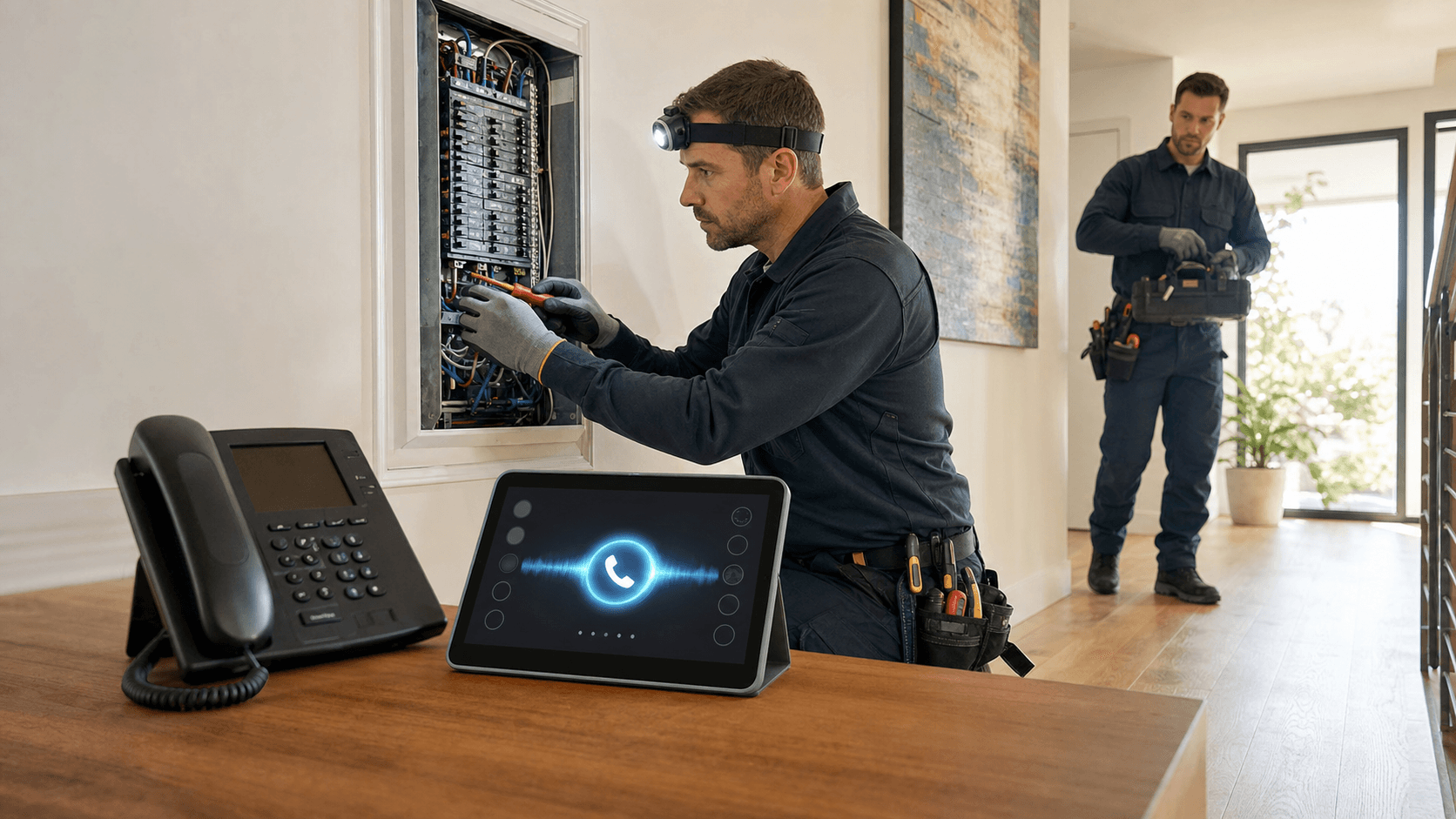
When electricity acts up, people do not wait. A sudden blackout, a burning smell near the panel, or sparks from an outlet at 11:47 p.m. are enough to make any homeowner grab the phone and call the first electrician that shows up in a search. In that moment, they are not calm, they are scared and want someone to answer right away. If nobody picks up, they usually hang up and move on to the next number.
For electrical contractors, that missed call is not just annoying. It can mean lost revenue, a frustrated review online, and a real safety risk if the person does something unsafe on their own. Even when someone answers but fumbles the call, books the wrong time, or fails to spot a real hazard, it causes trouble for everyone. A good electrician AI assistant steps in here, answering every call, every time, and following a clear process so emergencies are handled the right way without any technical setup on your side.
How AI Receptionists Handle After-Hours Electrical Panics
Late-night and weekend calls often sound messy at first. The caller might talk fast, repeat themselves, or forget key details. An electrician AI assistant is trained to slow the chaos down and collect the basics in a calm, steady way.
Typical questions include:
- Who is calling and what is the best number to call back?
- What is the address and type of property?
- What is happening right now and when did it start?
- Is there smoke, a burning smell, sparks, or exposed wiring?
Once that foundation is set, the AI follows safety-focused decision trees. These are clear, if-then-style steps that help separate true emergencies from regular service requests. For example, reports of burning smells at the panel, active sparking, partial outages in key rooms, or anything near water move into a higher urgency path. Loose outlets, a single flickering light, or questions about upgrades are tagged as non-urgent.
This structure matters most:
- After-hours, when office staff are asleep
- On weekends and holidays, when fewer people are on call
- During storm season, when outages and power surges happen more often
Because AI does not get tired or distracted, every late-night caller gets the same steady process and the same careful screening.
Calming Scared Callers While Keeping Them Safe
A big part of emergency work is emotional, not just technical. When someone is afraid their home might catch fire, they need a calm voice that sounds like a seasoned dispatcher, not a rushed "Hello?" followed by long holds. An electrician AI assistant is built to use a steady, friendly tone, repeat key points, and keep the conversation on track.
During these calls, the AI can share simple, safety-first messages such as:
- Turn off the main breaker if it is safe to reach
- Stay away from any outlets or panels that are hot, buzzing, or sparking
- Keep children and pets away from the problem area
- Never touch electrical parts with wet hands or when standing in water
The language stays simple and clear, which is important for seniors, stressed-out parents with kids running around, or anyone who is not technical. Short sentences and direct steps help people feel like they are back in control. Instead of feeling brushed off, they feel heard, understood, and guided until a licensed electrician can take over.
From Emergency Call to Booked and Routed Job
A panicked call is only helpful to your business if it becomes a booked job with the right details. AI receptionists are good at turning that stress into a clear work order, using the questions they already asked to fully qualify the call.
For electrical emergencies, "qualified" usually means the AI has confirmed:
- The caller is in your service area
- The type of building, such as single-family home or small commercial space
- Basic info about the panel age or setup, if the caller knows it
- How urgent the problem is and whether power is fully or partly out
- Any early budget expectations or service preferences your company wants to screen
Once qualified, the AI can place the job in your booking system, flag it as high priority, and follow your rules to contact the on-call electrician. True emergencies can be placed into the earliest open slots, while non-urgent work is set later so your schedule stays sane. Low-intent calls, like people just asking random questions with no plan to hire, can be logged but kept off your emergency routes.
What Electricians Want AI Assistants to Get Right
Electricians are careful by nature. When they hear "AI answering your emergency calls," they often worry about liability, accuracy, and making promises they cannot keep. Those are fair concerns, and they shape how a good electrician AI assistant is built.
We focus on things like:
- Never guessing about safety, only sharing approved instructions
- Not quoting prices or timelines that go against your policies
- Marking any unclear situation for human review as soon as possible
The AI can be trained on your specific playbook. That includes after-hours fees, what counts as a "roll a truck now" emergency, which jobs you prefer to take, and any situations you never accept. Every call turns into a clear handoff with notes, time stamps, and summaries so the tech rolling out knows what to expect. When the electrician arrives better prepared, there is less back and forth, fewer repeat visits, and a smoother experience for the homeowner.
Lessons Electricians Share with Other Local Pros
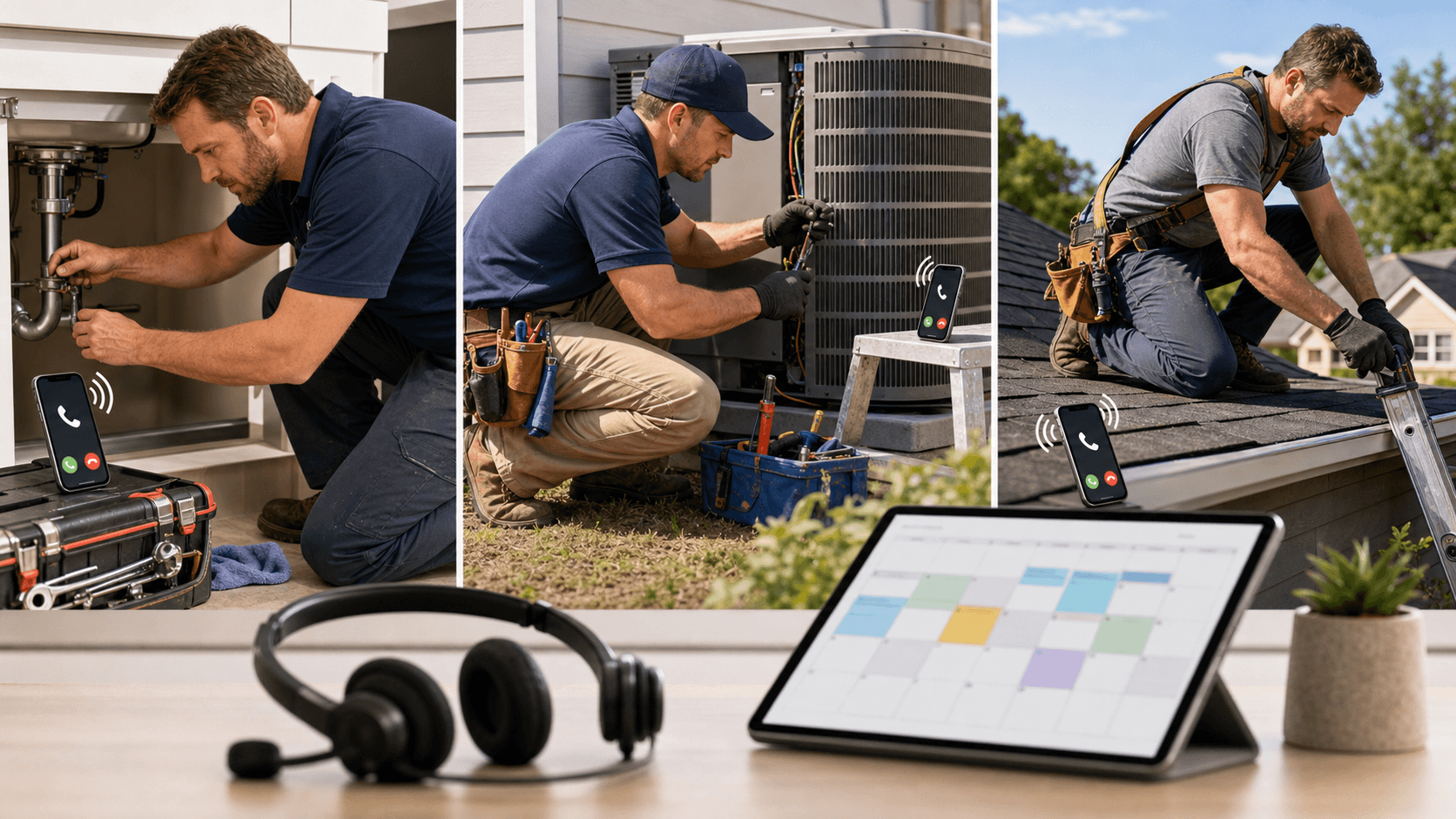
Even though this article is focused on electrical work, the way emergency calls are handled crosses over into other local services. The same panic that comes with a sparking panel shows up when a pipe suddenly leaks, the AC quits on a hot afternoon, or a car will not start in a parking lot.
The same AI patterns that help electricians also help:
- Plumbers dealing with active leaks and clogged drains
- HVAC companies taking "no cooling" or "no heat" calls during extreme weather
- Contractors handling urgent damage after storms
- Auto service centers and tow-related auto dealerships fielding breakdown calls
- Med spas, law firms, and real estate agents handling last-minute changes or time-sensitive questions
At Jenny AI, we keep the core ideas that work so well for electricians: fast triage, calm tone, clear safety language where it fits, and always-on coverage. Then we adjust the questions, instructions, and booking rules to match each type of business, so every local pro gets a receptionist that sounds like part of their own team.
Streamline Your Electrical Jobs With Smarter Support
If you are ready to reduce paperwork, speed up quoting, and keep your crew on the same page, our electrician AI assistant is built for you. At Jenny AI, we help electricians handle scheduling, estimates, and customer questions in one intuitive workspace. Get started today to free up more time on the job and less time behind a screen. Let us show you how quickly your day-to-day operations can become more organized and predictable.