Stop Overpaying for Phone Coverage That Still Misses Calls
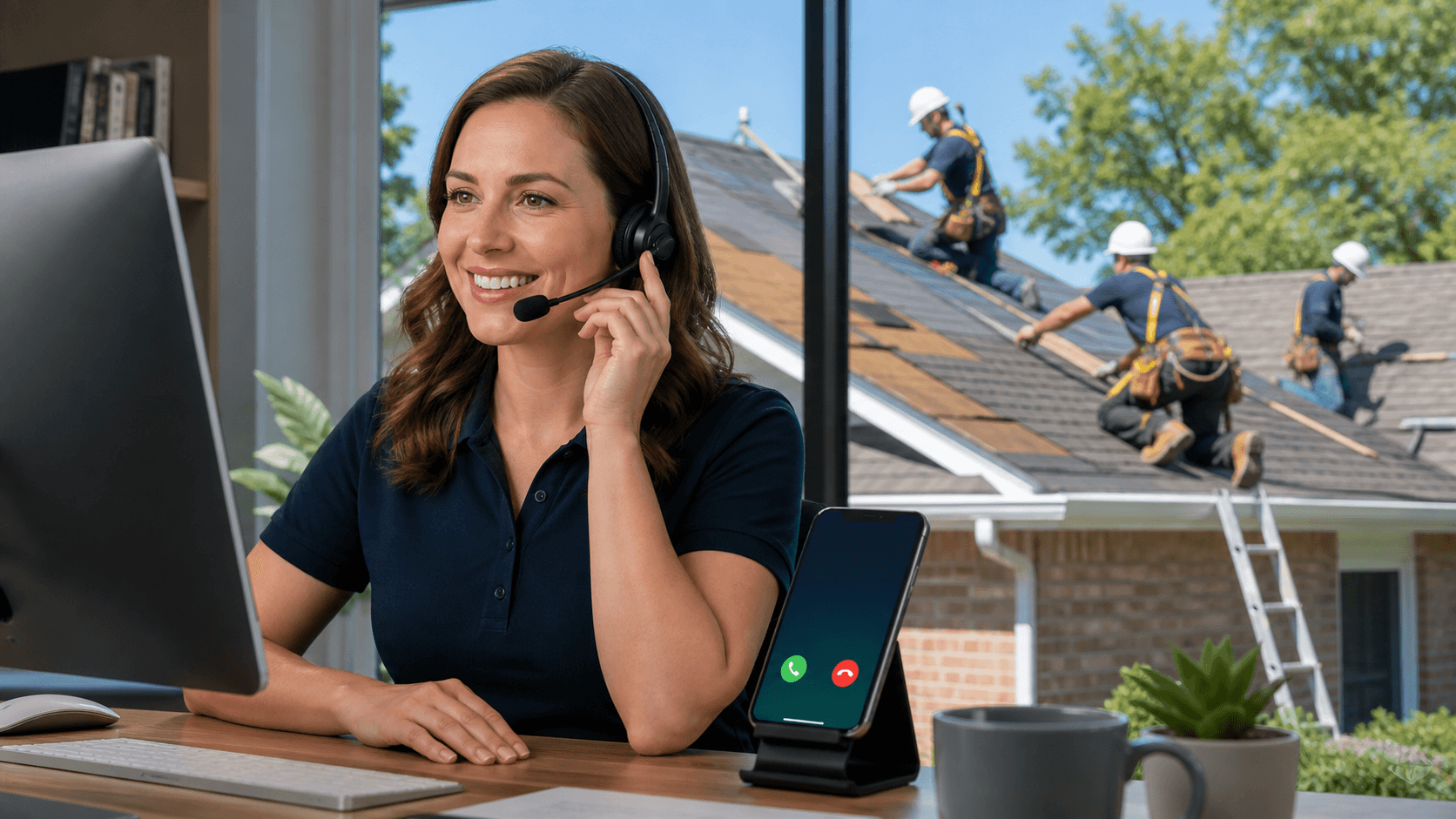
Busy season hits hard. The phones ring nonstop, crews are stuck in traffic, and you are trying to finish jobs before the next storm rolls in. When a hot lead calls and no one answers, that work usually goes to the next contractor on the list. It hurts, especially in the middle of summer when every good job matters.
That is why many home contractors pay for live answering services. On paper, it sounds smart. Someone answers, takes a message, and you avoid sending callers to voicemail. But after a while, the bill grows, the service feels hit or miss, and you still hear from homeowners who say, "I called and never heard back." There is a better way to keep phones covered without throwing money at a solution that still leaks calls.
Why Home Contractors Rely on Answering Services
Home service work runs on phone calls. Homeowners with broken AC units, leaking water heaters, roof damage after a storm, or messy yards do not want to fill out a form and wait. They grab their phone and start dialing right away. If you answer, you have a real shot at winning that job. If you miss it, they move on.
Most contractors bring in an answering service to hit a few simple goals:
- Cut down on missed calls when crews are on the road
- Catch after-hours calls so the phone is never "off"
- Sort out tire-kickers from serious leads
- Make sure true emergencies do not sit in voicemail
There is real value here. A live person can sound kind, calm an upset homeowner, and pass you the basics. For many HVAC, plumbing, roofing, electrical, landscaping, and cleaning companies, this has been the default move for years. It feels better than voicemail, and it does not require hiring one more person in the office.
The Hidden Costs of Traditional Live Answering Services
The trouble usually starts when you look closely at what you are paying for. Traditional answering services often bill in ways that are hard to predict. You might see:
- Per-minute charges for every call
- Extra fees per call, message, or transfer
- Setup charges for "custom scripts"
- Add-on costs for scheduling, bilingual calls, or CRM updates
Then there are the soft costs, the ones that do not show up on an invoice but still drain your time and energy. You may spend hours:
- Training new operators on your services and pricing
- Correcting bad messages or missing details
- Chasing down high-value calls that were put on hold too long
- Dealing with callers who were confused by inconsistent answers
When summer hits, and temperatures climb, call volume jumps. That is when some services raise prices or hit you with overages. So at the exact time you need steady cash flow and clear numbers, your phone costs move in the wrong direction. You are paying more, but the actual results are not getting better.
When an Answering Service for Home Services Stops Making Sense
Traditional answering services can work for very simple call handling. But once your operation gets even a little complex, the cracks start to show. Think about how your business runs today. Many contractors have:
- Several crews and trucks in different areas
- Different services, add-ons, and price ranges
- Rules for which jobs are worth a same-day visit
- Last-minute schedule changes due to weather or delays
Trying to keep outside agents updated on all of that can turn into a full-time job. They might mispronounce your company name, mix up service areas, or give the wrong answers when callers ask trade-specific questions. That leads to unqualified jobs, wasted drive time, and estimates that never turn into paid work.
There is also the longer-term value problem. If your answering service only takes messages and sends them along, you are still the one calling back, qualifying, and booking. You are paying month after month, but your phones are not truly working for you. The service is just a middle step, not a real engine for booking jobs or tying into the tools you already use to run your business.
How AI Receptionists Rewrite the Cost Equation
This is where an AI receptionist changes the math. Instead of paying for human minutes, an AI receptionist can answer every call instantly, follow your rules, and stay consistent, day and night. No breaks, no shift changes, no hold music when things get busy.
The cost advantages show up in a few simple ways:
- Clear, predictable pricing instead of surprise overages
- No overtime or after-hours premiums
- No need to retrain new agents every season
But the bigger win is performance. An AI receptionist can pick up right away, walk through your exact qualifying questions, and follow your schedule rules without getting flustered. If you want to book tune-ups on certain days, handle emergency calls first, or send small jobs to specific crews, the system can follow that path every time.
That consistency means a higher share of calls become booked jobs. Fewer leads slip through the cracks. Fewer homeowners sit on hold and give up. Your phone line starts acting more like a smart front desk than a simple message pad.
Comparing Live Answering Services and Jenny AI Side by Side
To make this real, it helps to compare a typical live answering setup with an AI receptionist like Jenny AI.
With a live service, you tend to get:
- Variable pricing tied to minutes and call volume
- After-hours coverage, but not always instant pickup
- Basic message taking, sometimes limited booking
- Shifting quality depending on which agent answers
With Jenny AI, the focus is on:
- Predictable costs that do not jump when calls spike
- True 24/7 instant response, no holds
- Direct booking into your calendar based on your rules
- Deeper qualification using your own questions and standards
Think about an HVAC company during a heat wave. When a homeowner calls with no AC, they are not looking for a message pad. They want a confirmed time. Or a roofing contractor after a summer storm, juggling leaks across different neighborhoods. You want every urgent call answered, sorted, and either booked or flagged as top priority right away.
Jenny AI plugs into the phone setup you already have. Calls can forward from your main number, and the AI receptionist follows your script, your schedule, and your workflow. If you change how you qualify jobs or how you assign crews, you update the instructions once, and every call follows the new plan, without retraining a whole team.
By turning your phones into a consistent, always-on receptionist, you give yourself a better chance to turn each ring into real revenue, without stacking more people on payroll or wrestling with complex tech.
Unlock 24/7 Client Calls Into Booked Jobs With Jenny AI
If you are ready to stop missing high-intent calls and turn more inquiries into scheduled jobs, we can help. Our answering service for home services is built to handle real customer questions, qualify leads, and book appointments around the clock. At Jenny AI, we work with you to match your pricing, service areas, and brand voice so every conversation feels seamless. Get started today so your next call becomes your next loyal customer.