Rethinking Your Summer Front Desk Strategy
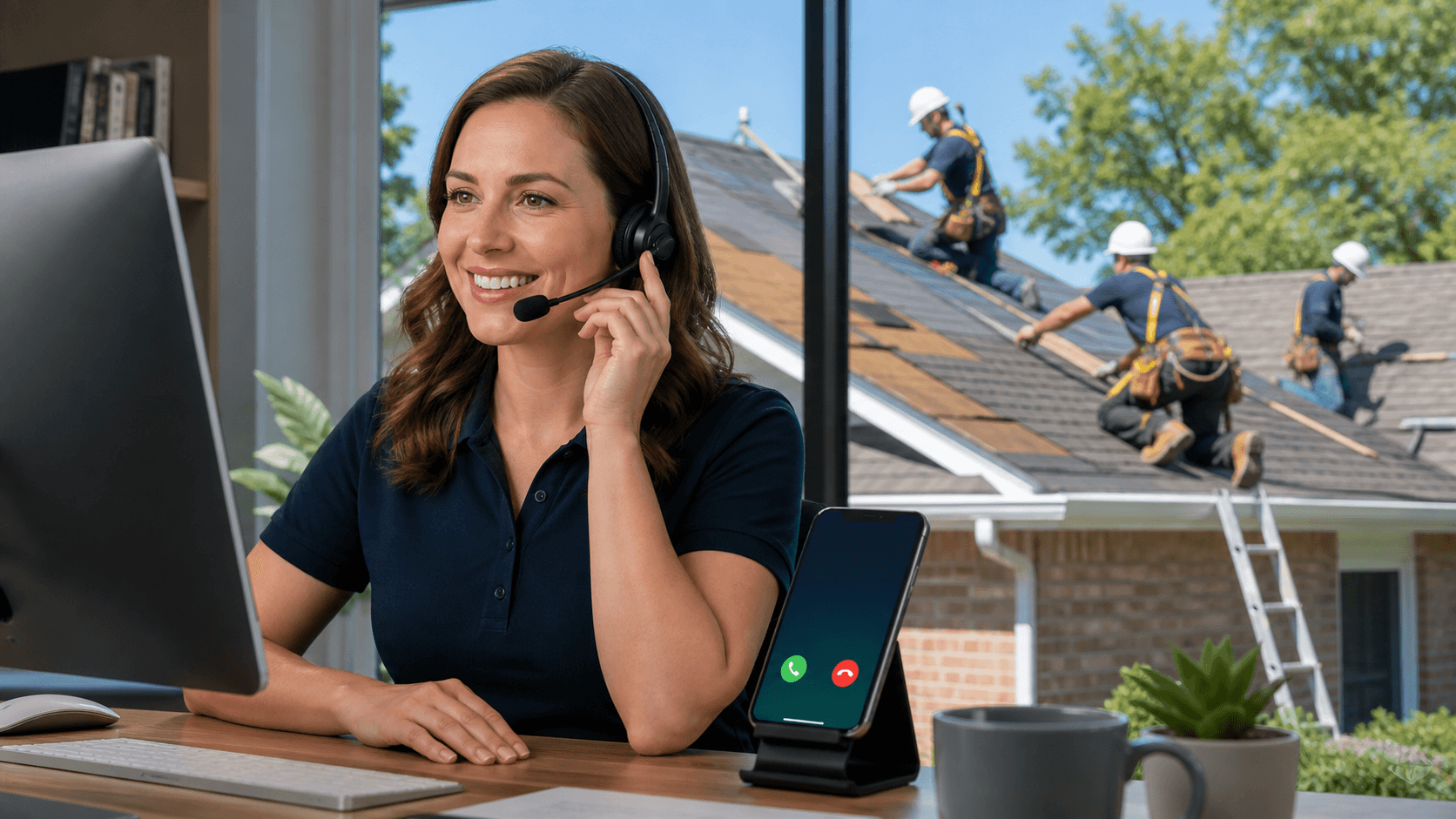
Summer hits and small shops get busy fast. Phones ring while walk-ins line up, regulars shift their schedules, and your staff tries to do three things at once. In all that noise, calls slip through the cracks and no one has time to call people back.
For many service shops, the front desk is one stressed person, or no front desk at all. That means missed revenue, annoyed callers, and sometimes harsh online reviews from people who couldn't get through. At the same time, every other ad seems to promise some "my AI front desk alternative" that will fix everything, which can feel more confusing than helpful.
In this article, we want to slow things down a bit and talk through what you actually need. We will walk through common front desk options, why some AI tools end up creating more work, and how a fully managed AI receptionist fits the real world of small, service-based shops.
What Small Shops Really Need From a Front Desk
For most small salons, clinics, and home service teams, the goal is not fancy tech. The goal is simple: every caller should feel heard, helped, and booked. A good front desk, human or AI, has to do more than just pick up the phone.
At a minimum, it should:
- Greet callers in a friendly, consistent way
- Answer common questions clearly and calmly
- Capture caller details so no one slips through
- Qualify who is a good lead and who is just browsing
- Book or reschedule appointments in your real calendar
Summer can make all of this harder. People cancel at the last minute because of trips, kids are out of school, and storms or heat waves change plans. Call volume jumps during lunch, right before closing, and on weekends when you are already short-staffed. After-hours calls go up too, because people finally have time to plan services once they are home and cooled off.
That is why reliability and simplicity matter so much. Owners do not want to become part-time IT managers. They want something that just works while they focus on:
- Serving clients in front of them
- Managing staff and schedules
- Handling walk-ins and urgent needs
- Keeping the shop calm during peak hours
Any "solution" that adds one more dashboard or daily chore is not really a solution for a small team.
Comparing My AI Front Desk Alternative Options
When people search for "my AI front desk alternative," they usually compare a few common paths. Each one sounds good on paper, but they work very differently in real life.
Here are the main options we see small shops try:
- Call forwarding to a personal mobile
- Human answering services
- DIY AI tools
- Fully managed AI receptionists
Call forwarding to a mobile keeps everything in your hands. The upside is that you know exactly what was said. The downside is you are tied to your phone. You might answer with noise in the background, or miss calls while driving, on a ladder, or in the middle of a service. It is also hard to check the calendar safely when you are away from the front desk.
Human answering services can offer live voices and polite greetings. But they often:
- Only work within set hours
- Struggle to follow changing rules or promos
- Cannot always see or update your live calendar
- Take messages instead of actually booking
DIY AI tools are where many owners get excited, then stuck. The promise is "build your own phone agent" with scripts, prompts, and flows you design yourself. That can work for big teams with tech time and extra staff, but small shops usually find it hard to keep up.
Fully managed AI receptionists, like what we focus on at Jenny AI, are different. The idea is that setup, scripting, and tuning are done for you, and the AI connects with your booking so it can act like a real receptionist. Many tools claim pieces of this, but some fall short when:
- They do not properly integrate with your calendar
- The conversations feel stiff or awkward
- They miss small details like prep time or service length
- They need hours of tinkering before they sound natural
So the key is not just picking "AI," it is picking an option that fits how your shop actually runs on a hot, busy day.
Why DIY AI Tools Often Backfire on Small Teams
On the surface, DIY AI call tools look flexible. You get a blank canvas and lots of buttons. But with that freedom comes work that most owners did not plan for.
To get a DIY AI receptionist ready, someone on your team has to:
- Write call scripts and prompts from scratch
- Build flows for new callers, existing clients, and emergencies
- Connect calendars and test every type of booking
- Keep checking calls and tweaking wording over time
That might sound simple, but real callers do not always follow the script. They change topics, mention odd situations, or mix up services. If your flows are not very tight, the AI can respond in strange ways. Then you start seeing things like:
- Awkward pauses or confusing questions
- Calls that drop or time out at the worst moment
- Double-bookings because the AI did not respect your rules
- Wrong answers to basic but nuanced questions
Every messy call chips away at trust. A single clumsy AI conversation, during your peak summer rush, can lead to an angry review. That review sits online long after the call is over. For a small, local shop, that hits hard because so much growth comes from neighbors talking to neighbors.
Most small teams do not have hours each week to babysit an AI system. They need to know it will handle callers correctly without constant tinkering.
How a Fully Managed AI Receptionist Changes the Game
A fully managed AI receptionist works differently from DIY tools. In simple terms, "managed" means experts handle the hard parts so you do not have to fight with scripts and settings.
That looks like:
- Setup done for you, based on how your shop already works
- Call flows shaped by people who understand real call patterns
- Testing and tuning handled behind the scenes
- Ongoing adjustments as your services or hours change
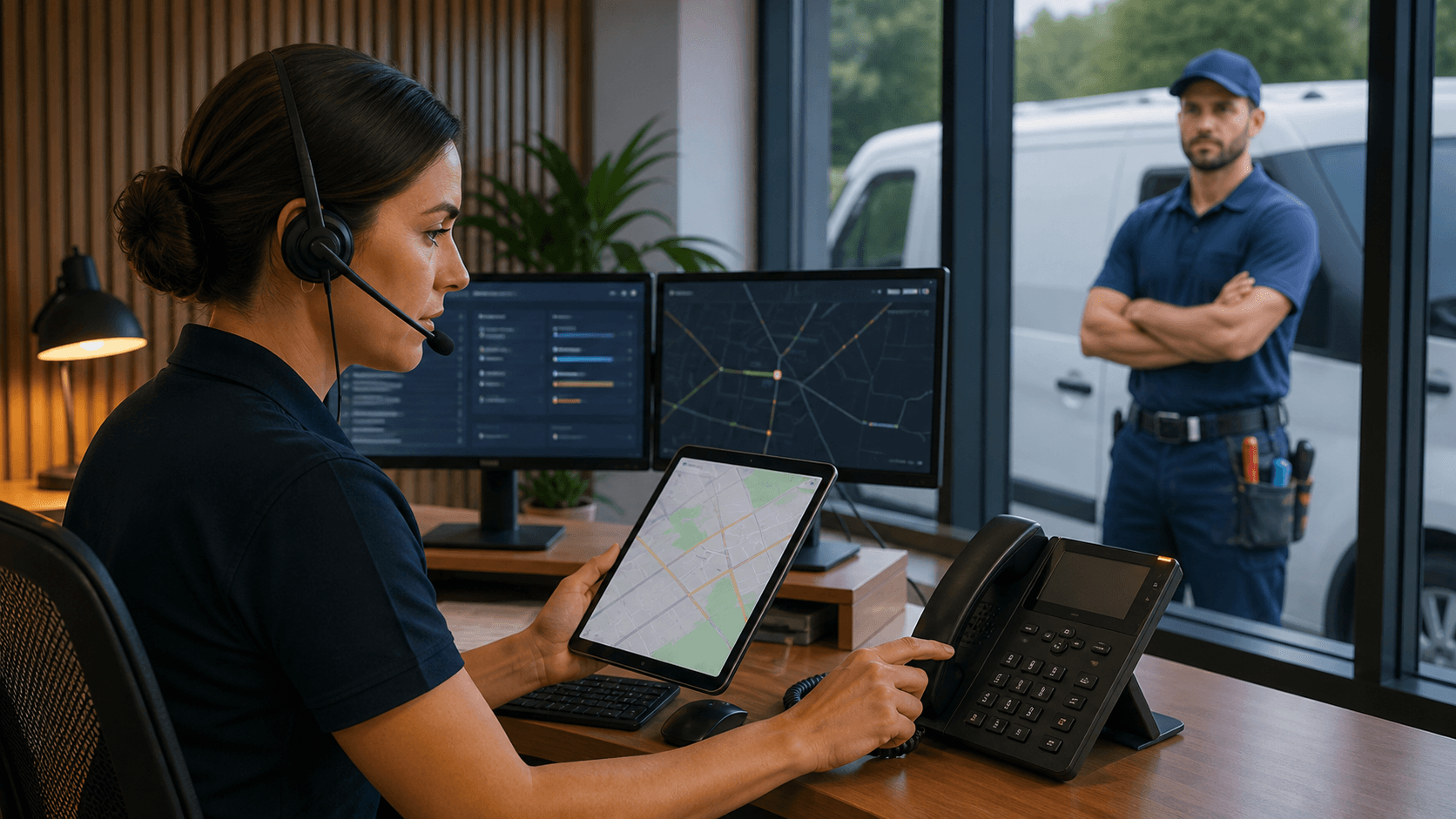
With a managed solution like Jenny AI, the AI stays with callers from hello to booked. It can:
- Greet callers in a friendly, consistent voice
- Answer your common questions in the same way every time
- Ask the right things to qualify new leads
- Book or reschedule appointments directly in your calendar
- Take overflow and after-hours calls every day
The result is a smoother, steadier caller experience. You are not guessing which calls got returned, or worrying that someone at the front desk sounded stressed or rushed. Instead, you get one predictable system that can handle busy summer weeks without extra hiring or training.
Making the Smart Switch Before Summer Slows You Down
If you are wondering when to switch from juggling phones to an AI front desk, a simple check can help. Ask yourself:
- How many calls go to voicemail during a normal week?
- How many people call after hours or on weekends?
- How often does staff seem stressed by ringing phones?
- How many more appointments would make your month feel solid?
If the honest answers make your shoulders tense up, it may be time to offload the phone work. You do not need to hand over every call on day one. Many owners feel better starting with overflow and after-hours, then moving to full coverage once they see that callers are happy and bookings are smoother.
Jenny AI was built as a fully managed AI receptionist for service-based businesses, so small shops can get help without becoming tech experts. When summer is in full swing and the heat, storms, and vacation schedules start to stack up, having a reliable AI front desk in place means more callers helped, more leads qualified, and more of your schedule filled while you focus on the work only you can do.
See How a Smarter Front Desk Can Transform Your Customer Experience
If you are looking for a more responsive, flexible, and accurate virtual receptionist, explore our detailed comparison to find the best my AI front desk alternative. At Jenny AI, we focus on handling real-world front desk demands so your team can stay focused on higher-value work. Take a closer look at how we handle calls, messages, and bookings so you can decide if our approach fits your business. When you are ready, reach out to our team to talk through your specific needs and rollout timeline.