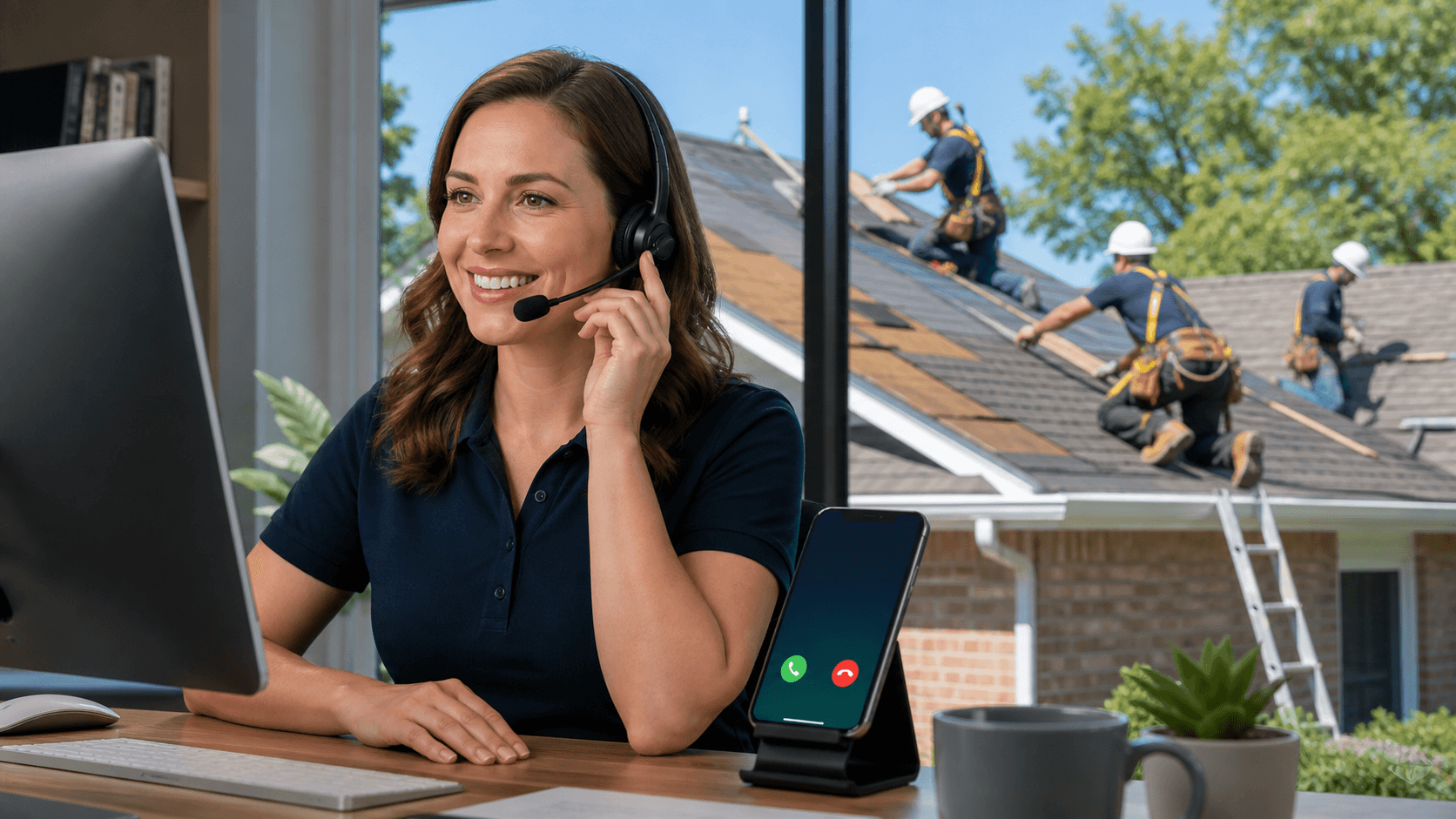
Turn Caller Skepticism Into Trustworthy Conversations
Callers expect someone to pick up fast, especially when something at home just broke. They want a real conversation, not a maze of button presses or a stiff robot voice. That is where the tension sits: people love quick answers, but they hate feeling like they are talking to a machine.
For service businesses, those first few seconds on the phone decide if a new lead turns into real money. Think about busy summer months, when moves, repairs, landscaping, and AC emergencies all hit at once. When a caller hears a friendly, confident voice that actually helps, they stay on the line and book. When they sense a fake or clunky bot, they hang up and call someone else.
So the big question is: can an AI receptionist that sounds human really pass as a helpful front-desk person when the phone is ringing off the hook? We think the best way to find out is not by guessing, but by testing. That is where a blind A/B test with Audio Tells comes in, a simple way to measure if callers can spot the AI, how comfortable they feel, and whether the calls still turn into jobs before you roll it out wide.
Why You Need a Blind A/B Test for AI Phone Calls
A blind A/B test for voice is simple. Callers dial your regular number, and behind the scenes, calls are randomly routed to either a live receptionist or your AI receptionist. The caller does not know which one they got. You then compare how both options perform.
The goals are clear:
- See how often callers notice they are talking to an AI
- Track booking and lead quality side by side
- Catch friction moments like odd pauses or repeated questions
Without this, many owners just listen to a handful of recordings and go with gut feeling. That usually misses the quiet problems that show up across dozens or hundreds of calls. A data-backed test, even a small one, gives you real numbers, trends, and confidence that your setup works in the wild.
Skipping testing can hurt your reputation, especially when temperatures climb and people are stressed about AC outages or urgent repairs. In those moments, callers are less patient with anything that feels off. A blind A/B test lowers the risk by letting you see how AI holds up in real conditions, during both calm and frantic days.
Designing Your Audio Tells Experiment
Audio Tells are the tiny clues in a voice that whisper, this might not be human. They include timing, tone, and how the receptionist handles rough spots. Some examples:
- Responses that come a bit too fast or too slow
- Lack of natural filler words like "okay" or "got it"
- Awkward repairs when it mishears a name or address
- Flat intonation that sounds "smooth" but not quite alive
To design your test, start with a clear structure. Plan for a few hundred calls per version, spread over at least a couple of weeks so you catch weekdays, weekends, daytime, and after-hours. Set call routing so half go to your live receptionist and half to your AI, without patterns your team can predict.
Next, decide how you will segment callers:
- New vs returning customers
- Emergency calls vs flexible projects
- Different service lines, like plumbing, pest control, or cleaning
You might find that an AI receptionist that sounds human is almost never detected on basic quote requests, but gets spotted more during high-stress emergencies. During the test, both versions should use the same playbook: same greeting, same questions to qualify leads, same booking rules, and the same way of confirming details. That way, any difference you see is tied to the voice and behavior, not a script mismatch.
Metrics That Reveal If Callers Detect the AI
Once your Audio Tells experiment is running, you need the right metrics. Start with direct detection signals. Track the percentage of callers who:
- Ask "Are you a robot?" or "Are you real?"
- Mention that the voice sounds weird or fake
- Show confusion or long pauses after unusual wording or timing
Then layer on experience metrics. Watch your:
- Call abandonment rate, especially at the greeting
- Average handle time for similar call types
- Number of callers asking to speak with "a real person"
- Sentiment tags from post-call review, such as frustrated, neutral, or pleased
Finally, follow the money. Business metrics give you the bottom line:
- Qualified lead rate
- Booking rate and how many calls turn into scheduled jobs
- Revenue per call or per booked job
- After-hours capture rate when human staff would normally miss calls
With Jenny AI, you can tag events like holds, repeats, and transfers, then line them up with drops in trust or conversion. For example, if calls with repeated address questions have more complaints, that tells you the AI's way of confirming details might need a softer, more natural phrasing.
Survey Prompts and Pass/Fail Thresholds That Matter
Numbers from call logs are great, but caller feedback fills in the gaps. A short post-call SMS or email survey works well, especially if it takes less than a minute. You can ask questions like:
- "How natural did the receptionist sound?" (1 to 5)
- "Did you feel the receptionist understood you?" (1 to 5)
- "Would you call this business again?" (1 to 5)
Add one open-ended question: "Anything you want to share about your call today?"
Then slip in a stealth detection question: "Who do you think you spoke with today?" with options like the owner, a receptionist, an automated assistant, or not sure. If many callers confidently pick "automated assistant," you know the audio tells are too strong.
For an AI receptionist that sounds human, you might set thresholds like:
- Detection under roughly one fifth of respondents choosing "automated assistant" with confidence
- At least most people rating 4 or 5 on naturalness, understanding, and willingness to call again
- AI booking rate that matches or beats your human team by a clear margin
If you "fail" those marks, it is not the end. It just means you iterate before rolling out wide. Adjust the voice profile, slow down or speed up pacing, tweak scripts, and improve repair phrases. Then run another round of testing to see what changed.
Turning Audio Insights Into a Summer-Ready Phone Strategy
Once you have results, the fun part starts: tuning your setup so it feels like a real part of your team. Use what you learn to refine details like:
- Greeting language that fits your brand
- Local slang and seasonal touches, like "staying cool in this heat?"
- The right amount of small talk before getting to the problem
- How the AI handles tricky moments or confused callers
A smart rollout plan helps too. Many businesses start with after-hours and weekend calls as summer ramps up. When the AI matches your pass thresholds and callers stay happy, you expand to daytime overflow, so no call gets lost while techs are on the road or on a job.
It also pays to re-run smaller blind A/B tests at different times of year. Caller expectations shift between summer rush and quieter seasons, and small script changes can have a big impact. At Jenny AI, we care about making sure your AI receptionist stays a steady, human-sounding presence, turning more first calls into booked jobs, no matter how hot, busy, or hectic the season gets.
Transform Every Call Into A High-Value Conversation
If you are ready to stop missing calls and start giving every caller a warm, consistent welcome, we can help you make the switch smoothly. At Jenny AI, we work with you to design call flows, responses, and handoffs that match your brand and support your team. Explore how an AI receptionist that sounds human can handle routine calls, free up staff time, and improve response times around the clock. Take the first step today and see what a modern, always-available front desk can do for your business.