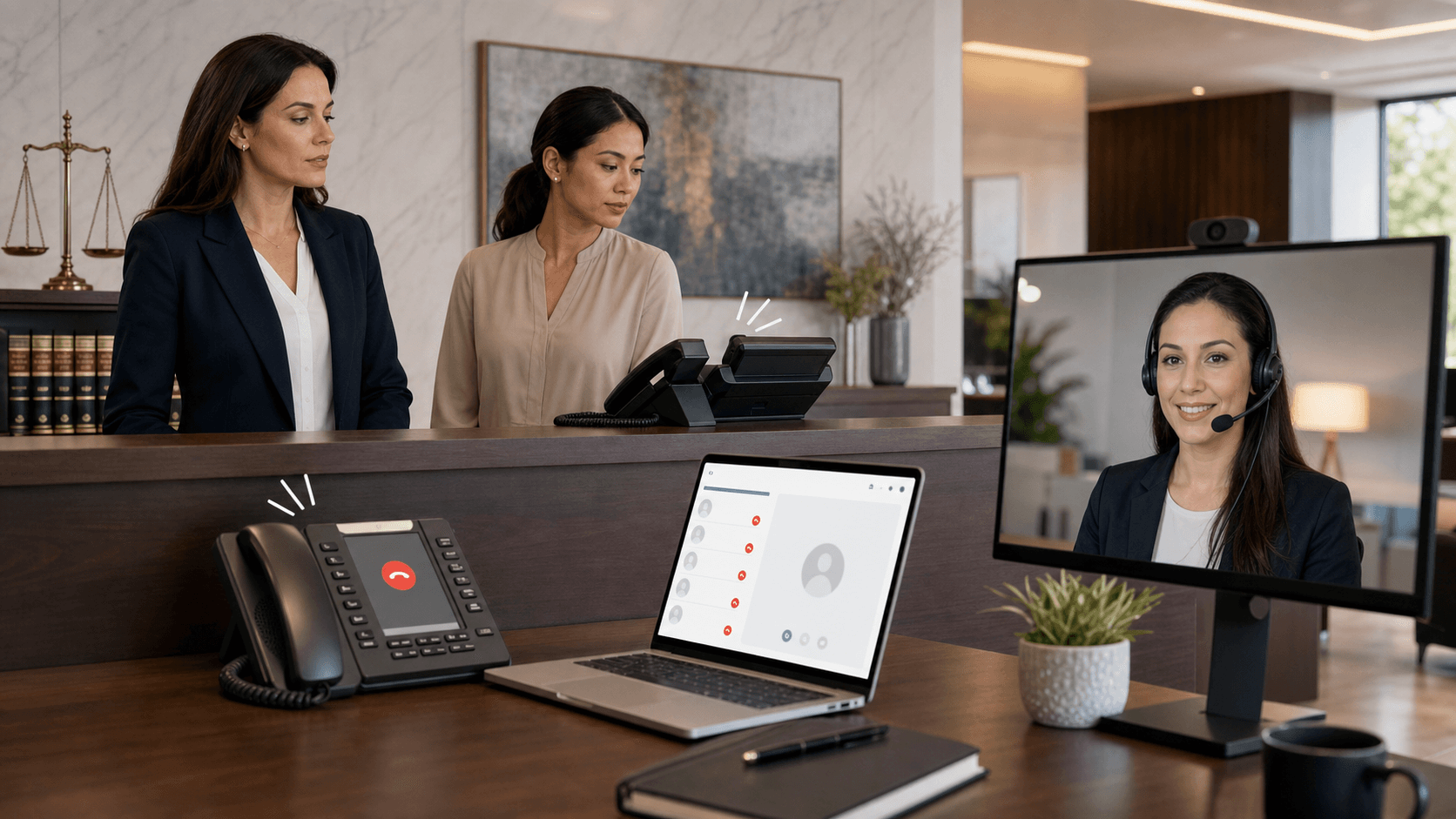
Urgent legal calls need a clear path from the first ring. A person dealing with an arrest, accident, injury, eviction, custody problem, or active business dispute may contact several firms in a short time. If no one answers, or the call moves around without a plan, your firm can lose the matter and the details needed for a proper intake.
Jenny AI's paid voice and answering solution helps firms treat urgent-call routing as both a client experience and an operations issue. Fast answers matter, but so do confidentiality, conflict checks, accurate notes, and a clear next step. The goal is not to rush into legal advice. It is to help every caller reach the right path without confusion.
Define What Urgent Means for Your Firm
Not every urgent-sounding call needs an immediate attorney transfer. Some calls require a live response right away, while others need a same-day conversation with your intake team. Still others can be placed into the next available consultation window.
Your urgency rules should match your practice areas. A criminal defense firm may treat an arrest, jail location, or bond question as a top priority. A personal injury firm may flag a recent accident, hospitalization, or insurance deadline. Family law teams may need a separate path for emergency custody concerns or protection-order matters.
We suggest building a simple urgency matrix that tells your answering team where each call belongs:
- Immediate escalation: time-sensitive matters that match your on-call attorney rules
- Priority intake: qualified inquiries that need a same-day response from staff
- Consultation scheduling: matters that fit your firm but do not need immediate action
- Referral or follow-up: calls outside your practice areas or service boundaries
This structure keeps callers from hearing different answers based on who happens to pick up. It also helps your staff stay calm when the caller is upset, scared, or short on time.
Map the Route Before a Call Is Missed
A good law firm answering service works best when it has clear instructions. That means your firm should document business hours, after-hours expectations, attorney availability, backup contacts, and transfer rules in one shared place.
Without those details, an answering team may take a message when a live transfer was needed, or send a distressed caller to a voicemail box. Neither outcome feels good for the caller, and both can create extra work for your staff later.
Before setting up your call flow, decide who owns each stage. For example, an on-call attorney may handle certain criminal or emergency family matters. An intake specialist may handle personal injury details, new-client screening, and consultation requests. A manager may receive calls when the normal contact is unavailable.
The important part is ownership. Every call type should have a named destination, a backup destination, and a response expectation. When the route is clear, your team can focus on the conversation instead of figuring out what to do next.
Protect Speed and Context During Transfers
A caller should not have to explain a stressful legal problem three times. Repeated transfers can make people feel ignored, especially when they are calling from a hospital, police station, courthouse, workplace, or home during a tense situation.
Before a transfer, we recommend collecting enough information to give the receiving person a helpful starting point. The call handler does not need every detail. They need a clean summary that supports the next step.
- Caller name and callback number
- Location and general legal issue
- Any known deadline or time-sensitive concern
- Opposing party or involved person, when appropriate for conflict screening
- Preferred contact method and best time to respond
A short, organized intake summary can make the handoff much smoother. It also helps the receiving attorney or staff member prepare for the conversation without making the caller start over.
Ethics and privacy need to stay part of the process. Your answering team should never give legal advice, promise representation, or suggest that an attorney-client relationship has started. Scripts should also avoid collecting unnecessary sensitive details before your firm completes its conflict-check process. Clear language protects your firm while still making callers feel heard.
Keep Intake Details Connected From Call to Consultation
Answering quickly is only helpful if the details stay organized after the call ends. A note that says only "urgent, please call back" can lead to delays, missed information, and a poor first impression. Every urgent call should create a complete record that the right person can review.
At Jenny AI, we see the strongest intake systems connect phone calls with website forms, consultation workflows, lead tracking, and internal alerts. If a caller cannot stay on the line, they need one easy path to share information, request a callback, or choose a consultation time. They should not have to search through several pages or repeat the same details in different places.
Real-time notifications can also help your team act faster. A true emergency matter may trigger an immediate alert to the designated attorney or intake manager. A lower-priority inquiry can become a follow-up task with a clear deadline and owner.
That kind of organization matters because urgent calls rarely arrive at convenient times. They come in while staff members are helping other clients, attending court, working through a busy inbox, or managing a full day of appointments.
Prepare for After-Hours and Seasonal Call Surges
After Labor Day, many firms move into a busier stretch. Clients return from summer travel, schools reopen, businesses focus on the final quarter, and seasonal weather can bring new accident, insurance, employment, and property-related concerns.
Your after-hours plan should be written before those calls start coming in. It should identify the on-call attorney, backup contact, response window, and issue types that need immediate escalation. It should also explain when a caller can be placed into the next available business-day intake path.
Professional coverage matters during evenings, weekends, court days, staff meetings, and holiday periods. A law firm answering service should follow your approved scripts, capture the required details, and route each call based on your urgency matrix, not simply take a name and number.
Monthly reviews can reveal where your system needs work. Listen to call recordings, review missed-call reports, and compare call activity with booked consultations. If callers repeatedly reach voicemail, receive incomplete answers, or fall into the wrong follow-up queue, you have a clear opportunity to improve the process before the next busy period.
Give Every Urgent Caller a Clear Next Step
Strong urgent-call handling is more than answering the phone fast. It depends on defined urgency categories, trained call handlers, ethical scripts, complete intake records, and one clear owner for follow-up.
Test your current call flow during business hours, after hours, and on weekends. A caller should reach the right person or path, understand what happens next, and know that their information was captured accurately. When those basics are in place, your firm can respond with care while protecting the intake process from start to finish.
Build a More Dependable Intake System
Jenny AI helps firms connect every caller to a clear next step with a law firm answering service built for responsive, organized intake. Our team can help you create a system that supports urgent matters, protects lead details, and keeps your staff focused on clients. Contact us to discuss the right approach for your firm.