Every Missed Emergency Call Can Become a Lost Job
Emergency callers need help now, not a callback after they have already found another company. When phones flood during severe weather, after-hours problems, seasonal changeovers, or a packed Monday morning, even a strong dispatch team can get buried fast.
We often see normal-day processes fall apart when 10 or 20 calls land within a short window. Hold times grow, callers hang up, notes get rushed, and callbacks slip through the cracks. Those missed opportunities may not stand out in a daily report, but they can quietly cost you booked jobs and future repeat business.
September is a smart time to look ahead. Fall HVAC maintenance, early cold snaps, storm damage, clogged drains, roof leaks, and garage door failures can all create demand before schedules and staffing have caught up. An urgent caller searching Google rarely waits long, especially when they have no heat, active water damage, or a home they cannot secure.
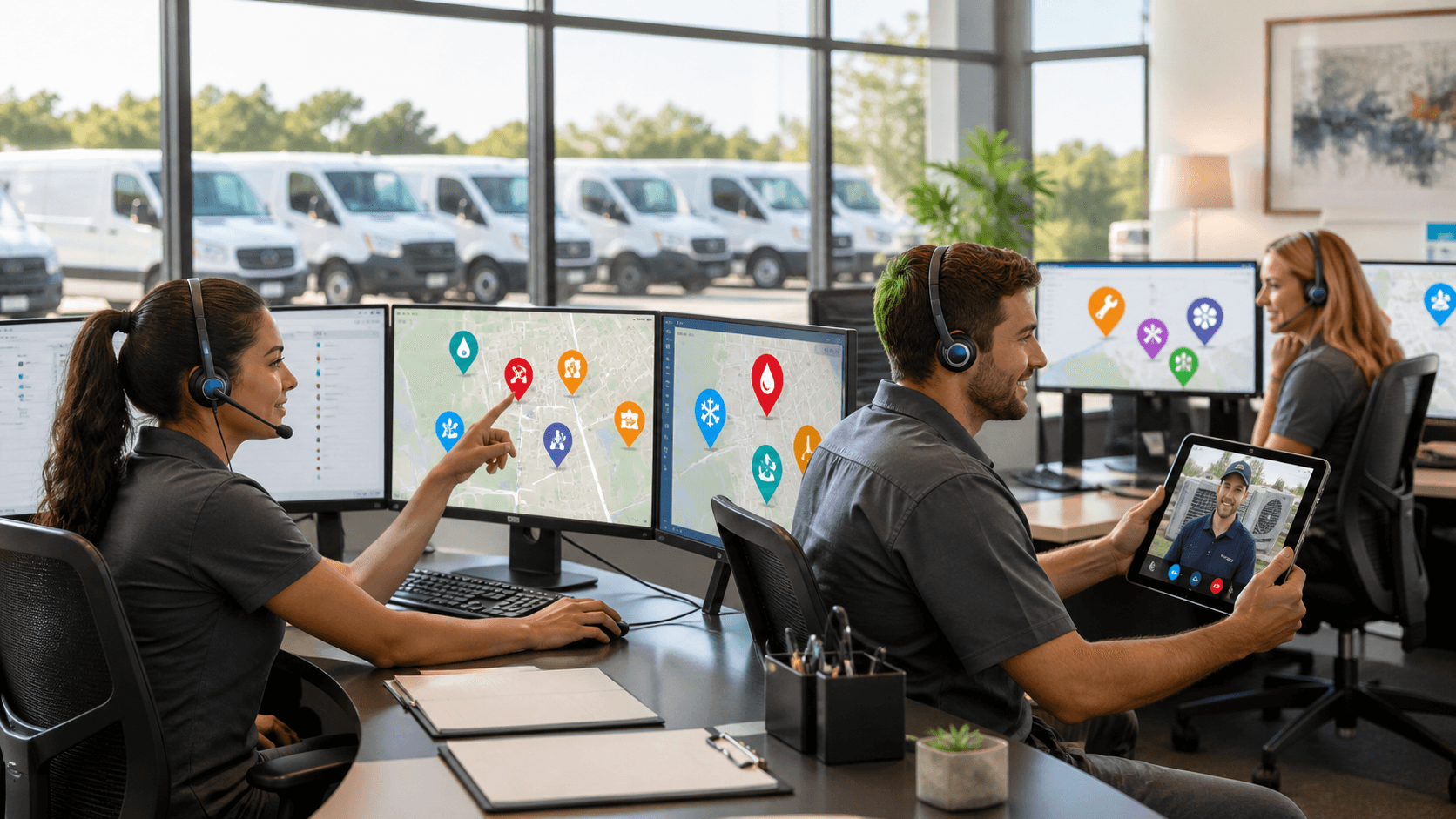
An AI receptionist for emergency calls gives every caller an immediate first response when your dispatchers are already helping customers, coordinating technicians, or handling estimates. The point is not to replace your knowledgeable team. We use AI call handling to protect their time, capture details, and guide urgent callers toward the right next step.
Find the Breaking Points Before the Next Surge
Before demand rises, we recommend reviewing what really happens when your phones get busy. "We usually get back to people" can feel true while missed after-hours calls and slow callbacks tell a different story.
Start with call patterns. Review volume by hour, day, season, weather event, and service type. You may find that calls pile up after 4 p.m., Monday mornings are overloaded, weekends lack coverage, or the first cold night brings a wave of no-heat requests.
It also helps to experience the call path as a customer would. Test your main number during lunch, after hours, and during your busiest window. Listen for clarity, speed, and whether someone with an urgent issue can explain what is happening without repeating themselves several times.
Your surge-readiness checklist can include:
- Who covers calls during lunch, evenings, weekends, and weather events
- Which service issues count as urgent or high priority
- How calls should move from intake to dispatcher, technician, or callback task
- How quickly customers should receive an update when no technician is immediately available
- Which technicians are on call and what types of work they can handle
A fast answer alone does not guarantee a booked job. A dispatcher may pick up quickly but still struggle to confirm the service area, check availability, gather a usable address, or create a clear handoff. That matters when a plumbing caller has water spreading across a floor, an HVAC customer has no heat, or a garage door will not close.
Keep Lines Open with Better Emergency Intake
When live staff are at capacity, an AI receptionist for emergency calls can provide a calm, consistent first contact instead of sending a worried caller straight to voicemail. It can gather the information dispatchers need before they return to the conversation.
A complete intake should capture the caller's name, phone number, property address, service needed, urgency level, safety concerns, preferred callback time, and whether they are a new or existing customer. Clear notes reduce repeated questions and make it easier for your team to decide what happens next.
Not every request needs the same response. A routine HVAC tune-up can follow a normal booking path, while no heat, a burst pipe, electrical sparking, storm-related roof damage, or an unsecured garage door should trigger a different workflow. If a caller describes an immediate danger to life or property, the call flow should direct them to emergency services when appropriate.
Clear escalation rules keep the handoff simple. Depending on the situation, the system may schedule the next available opening, send an urgent alert to an on-call technician, transfer to a live dispatcher, or create a high-priority follow-up task. That structure helps your team focus on the work only a person can do: using judgment, calming customers, and coordinating the right help.
Route Urgent Calls Without Slowing Your Team
More answered calls only matter if the right information reaches the right person quickly. We recommend simple routing rules that remove guesswork during a rush and keep important details from disappearing in a vague note.
Your urgency categories should match the work you do. A plumbing team may put flooding and sewage backups first. Electrical teams may prioritize burning smells, sparking, power loss, and other safety concerns. HVAC companies may move no-heat calls higher during cold weather and no-cooling calls higher during dangerous heat. Law firms and dental offices can define urgent intake standards that respect their professional boundaries.
Routing should account for more than who is available next. Geography, technician skill, on-call rotations, equipment needs, and current appointment capacity all matter. Sending the closest technician without checking fit can create another delay if that person is outside the service area or lacks the right tools for the job.
Strong routing rules answer a few basic questions:
- Is this an immediate safety or property-risk issue?
- Is the caller inside your service area?
- Which technician is qualified and currently available?
- Should the caller receive an appointment, an urgent notification, or a callback window?
- What information does the technician need before leaving for the job?
Even when the schedule is full, quick communication helps preserve trust. Customers should know their request was received, what happens next, and when they can expect an update. Reviewing scripts, call outcomes, and escalation choices with dispatchers helps you improve consistency without making conversations sound stiff or impersonal.
Track the Calls That Turn Into Revenue
Call spikes are not only a staffing issue. They are a revenue and customer-experience issue that begins with the first ring and continues through booking, estimating, dispatch, and completed work.
We encourage owners to track answer rate, abandoned-call rate, average time to answer, after-hours lead volume, booked-job rate, callback speed, and emergency-call conversion rate. These numbers show where opportunities are dropping before a dispatcher has the chance to help.
Source matters, too. Leads from local rankings, map visibility, SEO, PPC, referrals, and your website may behave differently. A successful marketing campaign can bring in more calls than your current team can absorb, which means call coverage affects the value you get from every marketing effort.
Review a sample of AI call summaries each week. Look for missing addresses, unclear urgency labels, confusing routing decisions, and questions callers ask again and again. Those patterns can reveal what needs to change in the script, the call flow, or the dispatch process.
Prepare Your Dispatch Team Before Fall Demand Hits
The best time to test an emergency process is before the first major surge exposes a gap. Review missed calls from the past 30 to 90 days, identify your busiest periods, and estimate how many jobs may have been lost when responses came too late. Then test your emergency call path as if a customer had an urgent problem tonight.
A dependable process protects revenue and reputation at the same time. When customers can get a clear, helpful response during a stressful moment, they are more likely to book the job, leave a positive review, and remember your business when they need help again.
Keep Emergency Calls From Going Unanswered
Our AI receptionist for emergency calls helps your business capture urgent opportunities when your team is already handling a full queue. Jenny AI can provide consistent call handling around the clock, so your staff can stay focused on the jobs in front of them. Contact us to discuss a call-answering setup built for your service business.